Destination
Pinlaung
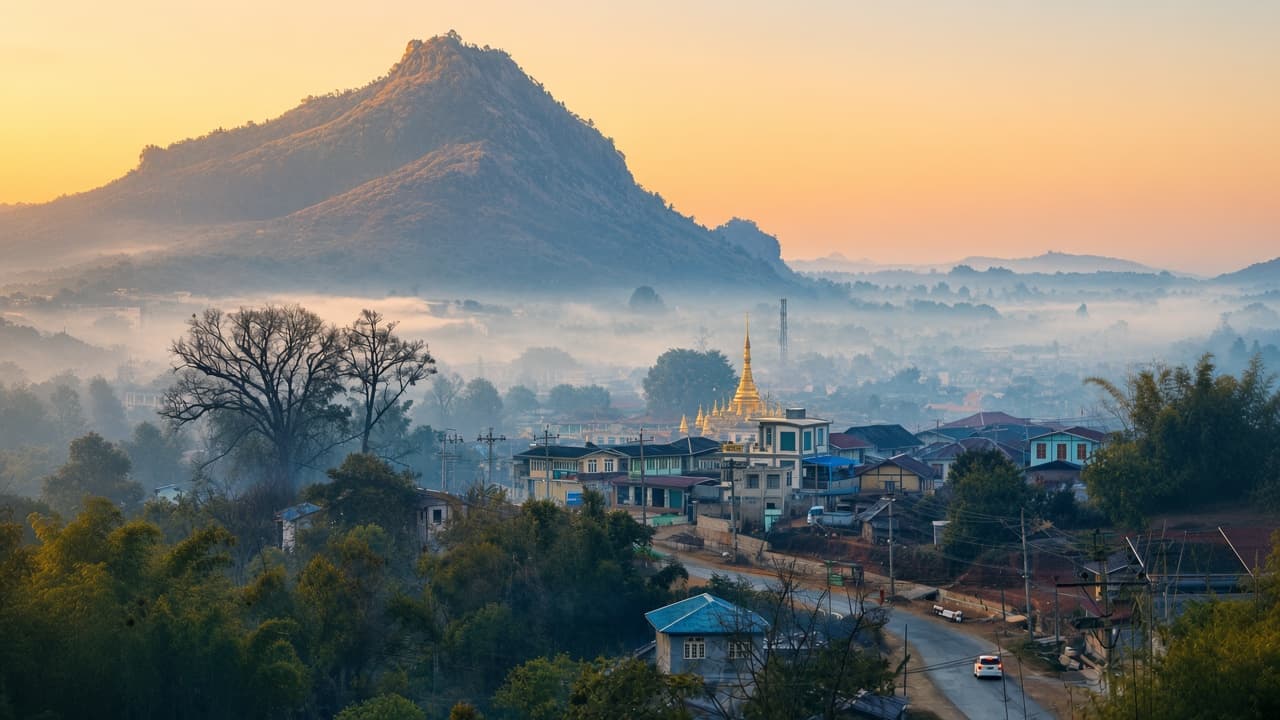
Tucked among misty hills in southern Shan State, Myanmar, there is a small town that most travelers still pass right by. Inle Lake and Kalaw dominate the guidebooks, but Pinlaung remains something of a secret — the traditional homeland of the Pa-O people, wrapped in rolling tea plantations, quiet forests, and cool mountain air. If you're looking for a highland escape that feels genuinely untouched, this is it. Here's everything a traveler needs to know: where it is, what to see, what to eat, and how to make the most of a visit.
Where Is Pinlaung
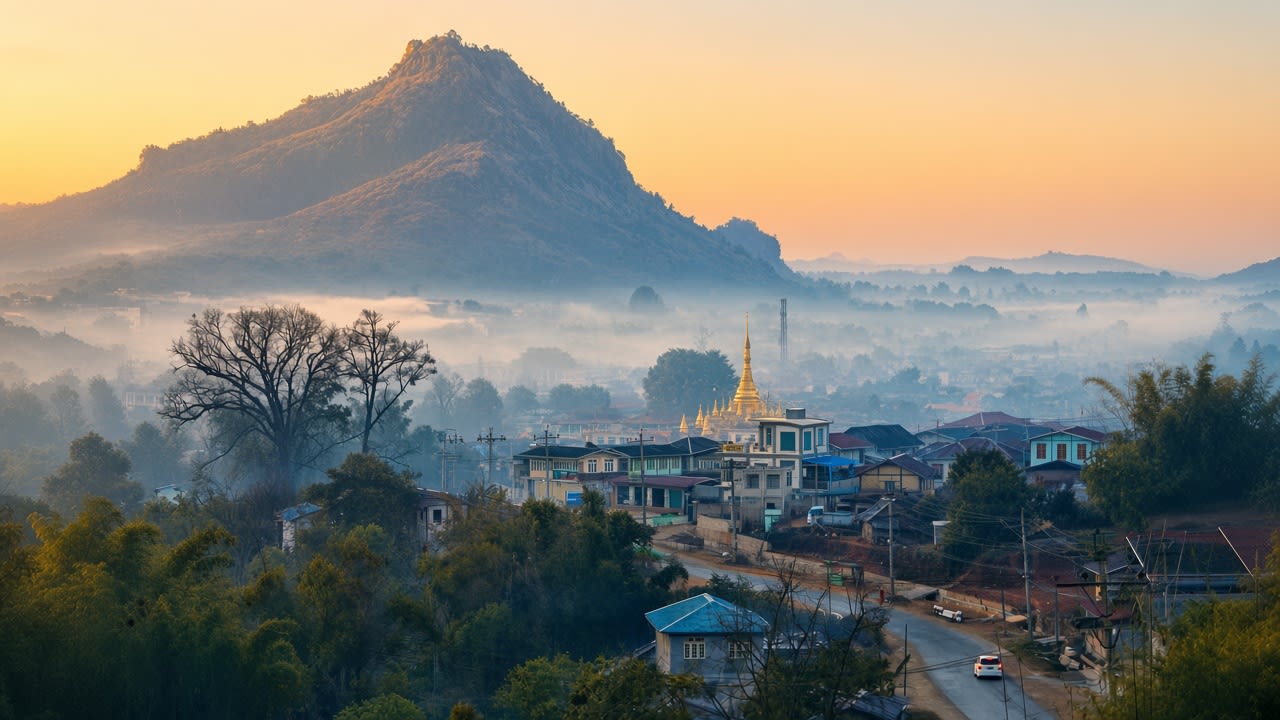
Pinlaung is the principal town of the Pa-O Self-Administered Zone in southern Shan State, sitting at an elevation of around 1,510 meters (4,950 feet). The road there winds through dramatic ridgelines and terraced hillsides, and the town lies along National Road 54, roughly 50 miles from Taunggyi and about 2 hours from Kalaw by car. A rail line connecting Loikaw and Kalaw — two well-known tourist towns — also runs directly through the town center, so it's reachable by train as well. Because of its altitude, Pinlaung stays cool year-round, and the rainy season brings noticeably crisper air than the lowlands.
History and Culture
Pinlaung was once ruled by local Pa-O saophas (hereditary chiefs) under the name Loilon. The last saopha, Sao Moe Kyaw, relinquished power on 29 April 1959, after which the region evolved into today's Pa-O Self-Administered Zone. The town and surrounding area remain the heartland of the Pa-O people, alongside Shan communities. Pa-O women's traditional dress is instantly recognizable — plain black or indigo tunics trimmed in narrow blue or red, paired with bright orange or red turbans wound around the head. You'll see this dress in daily life at markets and pagoda festivals throughout the region. One of the best ways to experience local culture is to time a visit around the five-day rotating market, when Pa-O, Shan, and Danu communities from surrounding villages converge to trade goods and traditional foods not easily found elsewhere.
Natural Beauty
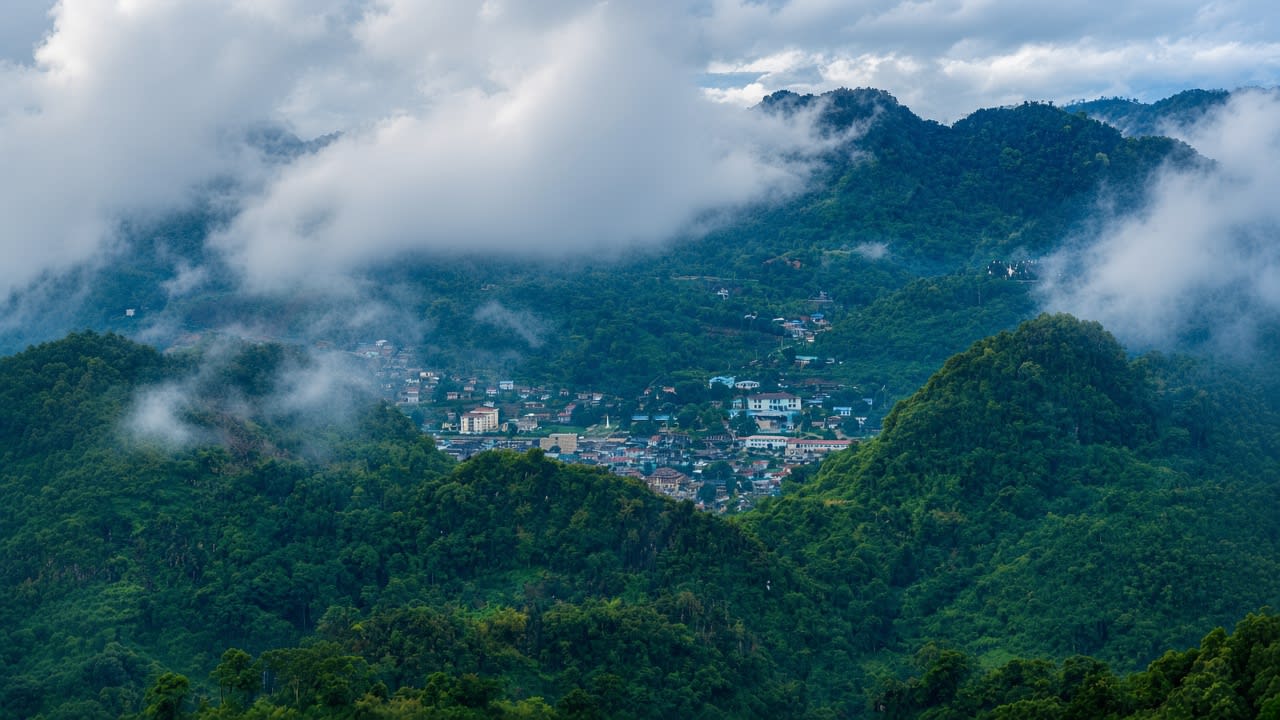
Pinlaung's biggest draw is its landscape — layered green hills, tea gardens, and a scattering of waterfalls and viewpoints.
Loi Maung Taung — the highest peak near Pinlaung, rising to about 6,124 feet. From the summit, the town and the surrounding ridgelines unfold in a sweeping panorama. Weather at the top can shift dramatically in minutes, from thick mist to sudden sunshine.
Pa-O tea gardens — Pinlaung is known for producing high-quality Pa-O tea. Visitors can walk through the tea fields, watch the harvesting and processing process, and sit down for a tea tasting with local growers.
Coffee farms — nearby hillsides also grow coffee, and some local operators now offer coffee-focused tours through the plantations.
Lavender fields near Phayaphyu Village — seasonal lavender blooms create a colorful, photogenic landscape that's become popular for photography.
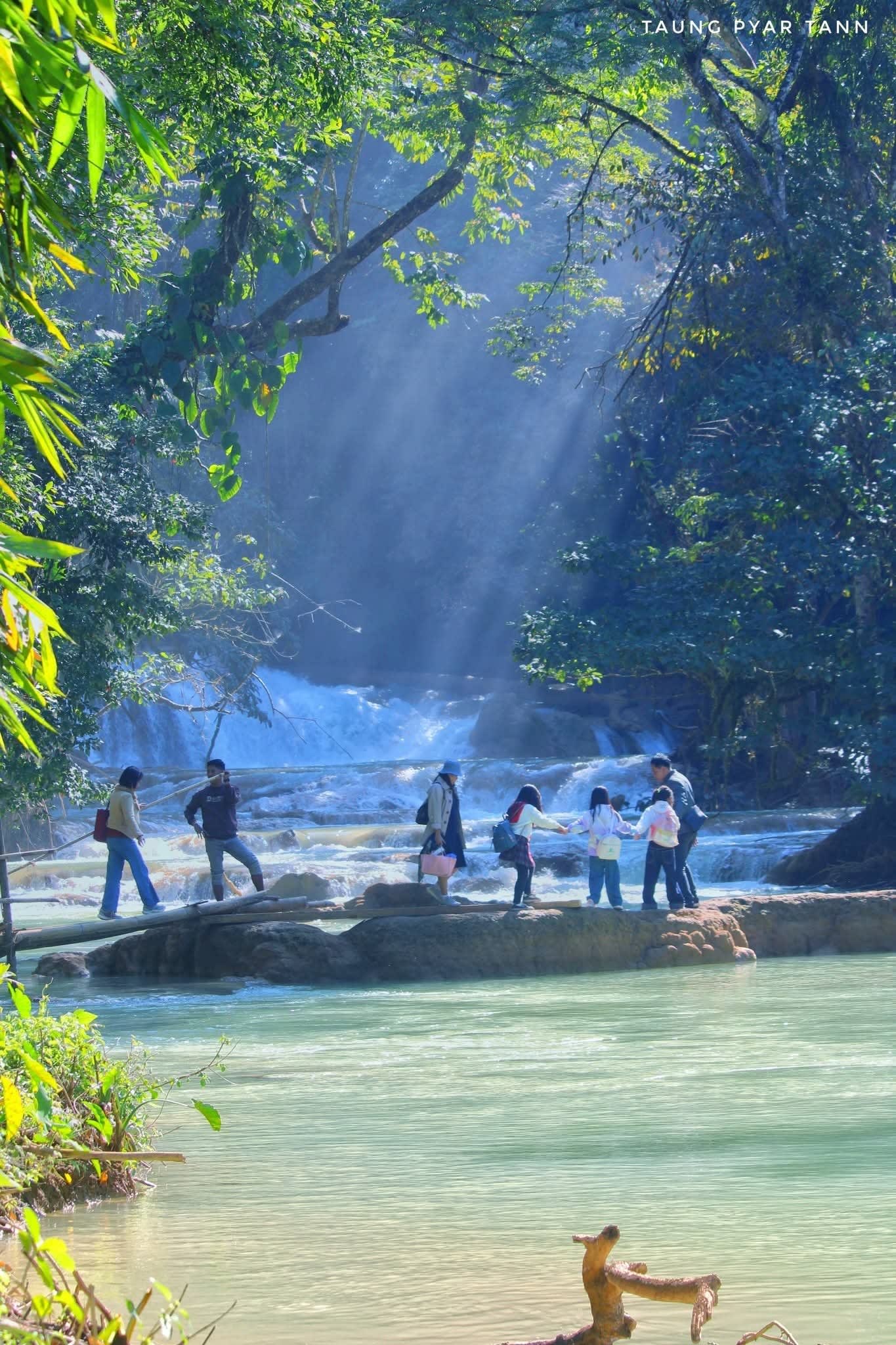
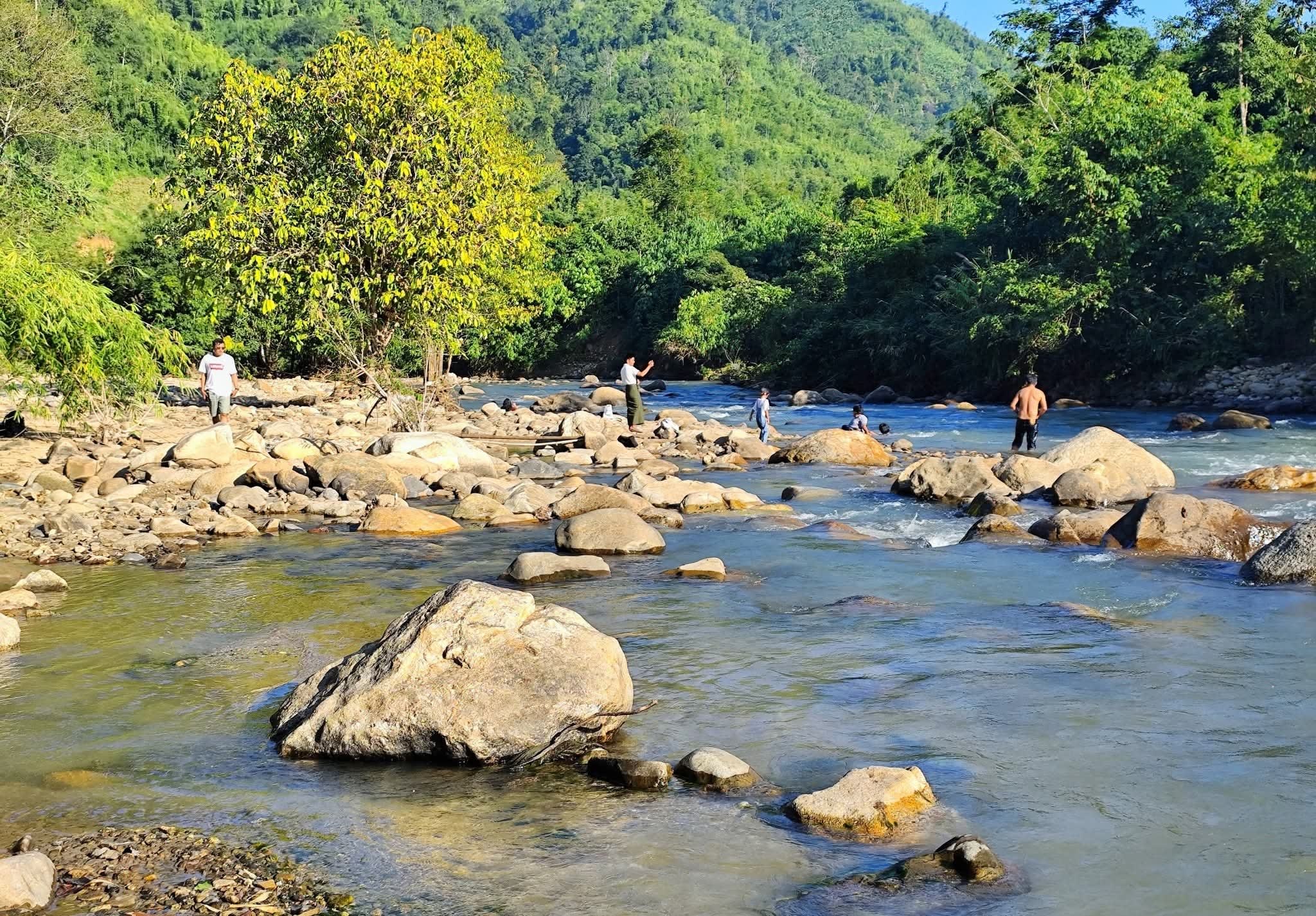
Waterfalls — several small, forest-shrouded waterfalls cascade down the hillsides, ideal for light trekking and nature photography rather than serious hiking. (Taung Pyar Tann Credit Photo)
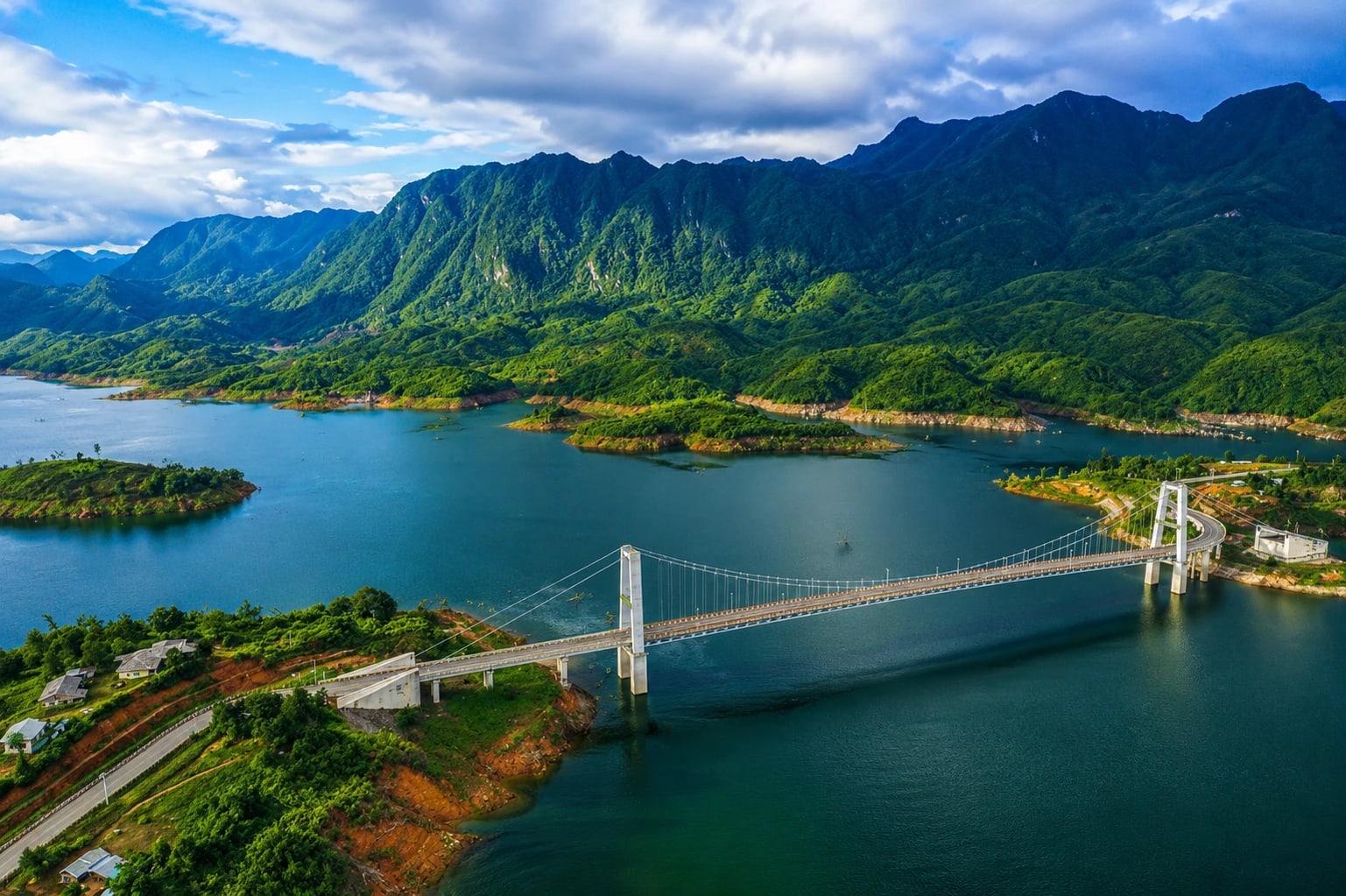
Leinli Bridge — a striking suspension bridge spanning a scenic valley, popular for photos and scenic drives — sometimes described locally as a "bridge for lovers."
Places to Visit
Mway Daw Pagoda — visible from a distance across Kan Tha Ya Lake as you enter town, this pagoda is Pinlaung's most recognizable landmark.
Kan Tha Ya Lake — a hillside lake where the pagoda's reflection shimmers on the water; a popular gathering spot for both locals and visitors.
Nam Hoo Kyaung Tike Temple — an older monastery worth a look for its traditional architecture.
Traditional craft market — a good place to pick up authentic Pa-O textiles and handwoven goods.
Loi Maung Taung Pagoda — about 20 minutes from the town center, sitting atop the region's highest peak; especially beautiful at sunrise or sunset.What to Eat
Shan cuisine is one of Myanmar's most distinctive regional food traditions, built around rice noodles, fermented flavors, and fresh herbs. In and around Pinlaung, look out for:
Shan Khao Swe (Shan noodles) — available as a soup or a salad-style dish, typically topped with sautéed tomato and crushed peanuts. A Myanmar classic you'll find in nearly every teashop.

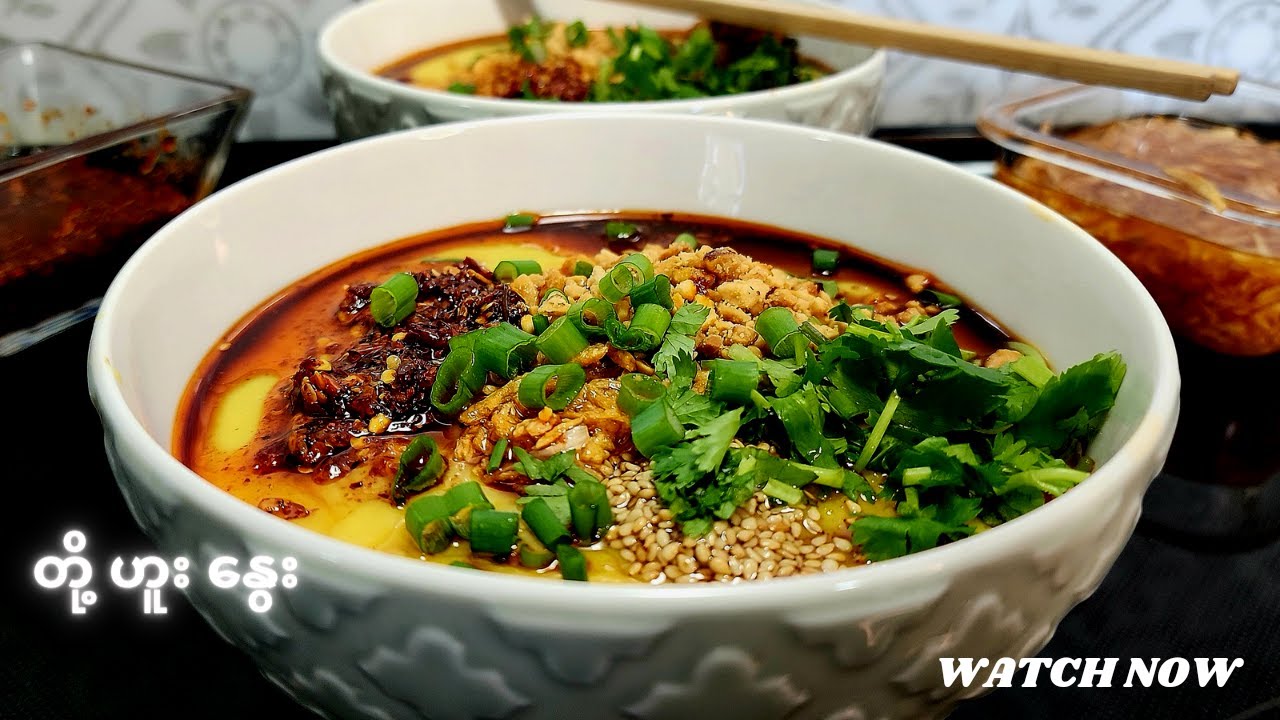
Tofu Nway — a warm, silky porridge made from chickpea flour, served over rice noodles. A favorite breakfast dish in Shan State and a comforting choice in Pinlaung's cool climate.
Fermented soybean dishes (pè bok / thua nao) — roasted, fried, or cooked into sauces, these give many Shan dishes their distinctive savory depth.
Tomato and fish-paste relish (keyun chin thee ngapi chet) — tomatoes cooked down with ngapi, dried shrimp powder, shallots, and chili — a staple side dish eaten with rice.
Special market-day dishes — because the five-day rotating market brings vendors from across the region, it's also when the widest variety of traditional Shan delicacies appears — dishes that aren't necessarily available on an ordinary day. Timing a visit to coincide with market day is well worth the effort.
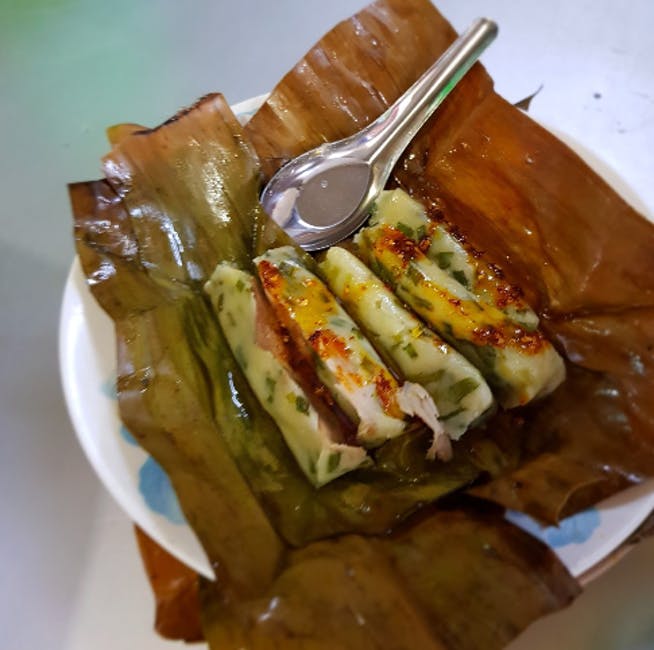
Pa-O tea — freshly brewed at the source; a visit to a tea garden is the best place to try it.
Travel Tips
Best time to visit — November to February (the cool season) offers the clearest skies and most comfortable weather for hiking and photography. Nights can get quite cold, so pack warm layers.
Getting there — Pinlaung is accessible by road from Kalaw or the Inle Lake area, or by the Loikaw–Kalaw rail line, which passes directly through town. Hiring a local guide is worth considering, since many of the most scenic villages and viewpoints lie some distance from the town center.
Check the market schedule — the rotating market runs on a five-day cycle, so it's worth confirming the dates in advance and planning your visit around it.
Combine with nearby destinations — Kalaw (around 2 hours away) and Inle Lake (around 2.5–3 hours away) pair naturally with a Pinlaung stop as part of a broader southern Shan State itinerary.
Dress respectfully — as with anywhere in Myanmar, modest dress is appreciated at religious sites and in village settings.
Final Thoughts
Pinlaung sits well off the well-worn tourist trail, and that's exactly its appeal. Between the Pa-O cultural heritage, the green sweep of tea gardens, quiet waterfalls, and a suspension bridge made for photographs, it offers a slower, more intimate version of the Shan highlands. Time your visit to a market day, try the local dishes, and walk a tea plantation at sunrise — and Pinlaung will leave as lasting an impression as Inle Lake or Kalaw ever could.